
Dip Coating for Finned Heat Exchangers
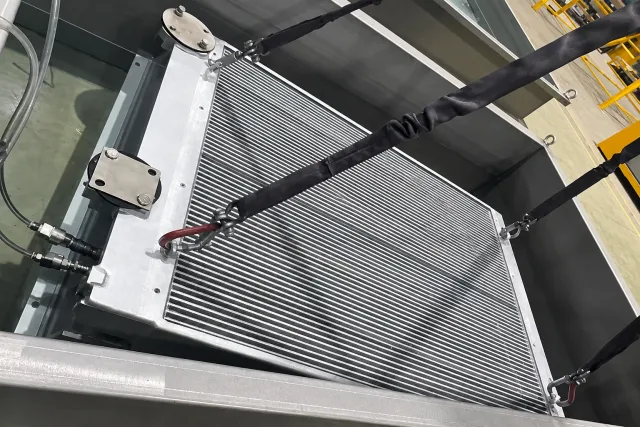
What we can process


Why dip coating gives the best coverage
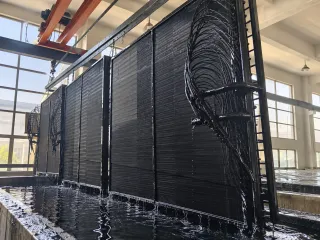
A coil has thousands of fin surfaces and collars, most of them invisible from the outside. Immersion wets all of them at once. Spray, by contrast, depends on the spray reaching between fins from the face of the coil, and the inner rows of deep coils always get less.
Controlling the film
Film thickness on a dipped coil is set by the coating’s viscosity, the withdrawal speed and how the coil drains. Thin-film systems such as PG-S1 are applied in the 5–15 μm range. Excess coating that would bridge high-density fins is cleared before cure, and the cure temperature and time are logged for the batch.
Process
 01
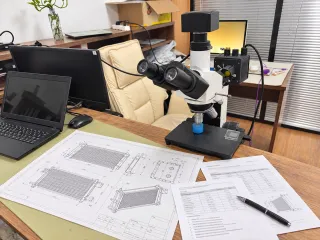
Specify
Equipment, exposure, destination
 02
Sample
First-article coating for new systems
 03
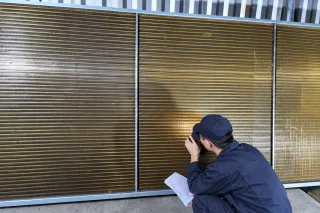
Inspect
Incoming check with photo record
 04
Coat & cure
Dip, spray or flood; cure logged
 05
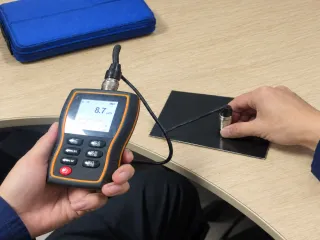
QC
Film thickness, coverage, fin bridging, adhesion
 06
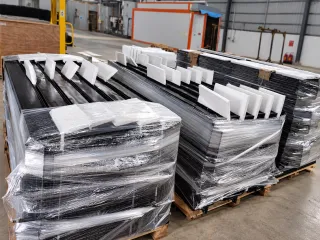
Report & ship
Batch report travels with the goods
Coating options
Selected by site corrosivity. Salt-spray hours from different standards are not compared across systems.
| System | Film thickness | Cure | Best for |
|---|---|---|---|
| PG-S1 Waterborne polysiloxane (sol-gel) | 5–15 μm | Thermal or ambient | New coils before shipment, OEM dip lines |
| PG-S2 Polysiloxane-urethane clearcoat | 5–10 μm | 160 °C / 60 min | Aluminium radiators, bakeable heat exchangers |
| PG-W Waterborne two-component | 5–10 g/m² per side | 80 °C touch-dry | Coil lines, mild coastal and humid sites |
| PG-C Air-dry two-component, chemical-resistant | 20–40 μm | Ambient 72 h | Complete units, chemical and wastewater sites |

Can complete outdoor units be dipped?
No. Units with controls and a compressor are spray coated, or the coil is removed, dipped and refitted.
How is fin bridging avoided?
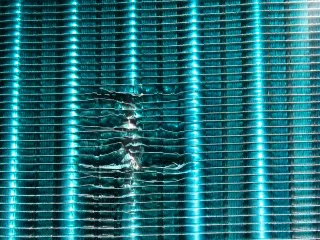
By controlling withdrawal speed and drain-off, clearing excess with air where needed, and checking both coil faces for bridging on every batch.
What limits the coil size?
The tank and oven dimensions of the partner line. Maximum part sizes are listed in the capacity table and confirmed with each quote.
Tell us the equipment, the site and the destination port. We reply within 24 hours.