
Full-Unit Corrosion Protection for Outdoor Units
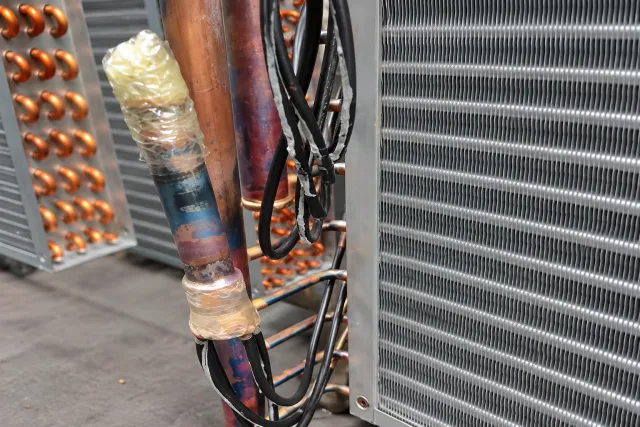
What we can process


Why complete units need a different process
An outdoor unit carries electronics, a compressor and refrigerant, none of which can pass through a curing oven. The coating therefore has to cure at ambient temperature, and everything that must stay uncoated has to be masked first.
The sequence
Panels are removed to expose the coil. The control box, sensors, valves and connections are masked, the coil and exposed metal are coated, and the film is left to cure. The unit is then reassembled, the masking is removed, and the unit is function-checked before packing. Each step has its own record in the batch report.
Process
 01
Specify
Equipment, exposure, destination
 02
Sample
First-article coating for new systems
 03
Inspect
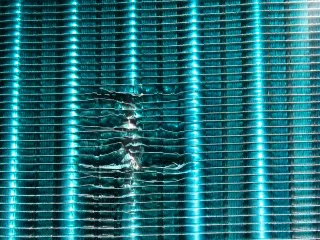
Incoming check with photo record
 04
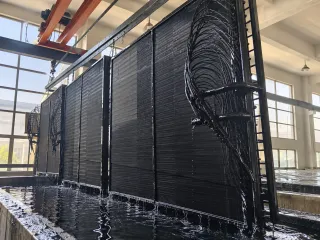
Coat & cure
Dip, spray or flood; cure logged
 05
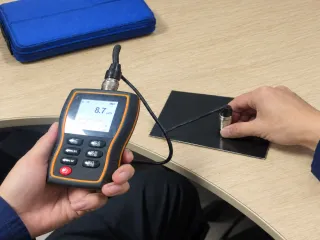
QC
Film thickness, coverage, fin bridging, adhesion
 06
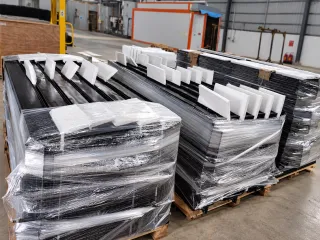
Report & ship
Batch report travels with the goods
Coating options
Selected by site corrosivity. Salt-spray hours from different standards are not compared across systems.
| System | Film thickness | Cure | Best for |
|---|---|---|---|
| PG-S1 Waterborne polysiloxane (sol-gel) | 5–15 μm | Thermal or ambient | New coils before shipment, OEM dip lines |
| PG-S2 Polysiloxane-urethane clearcoat | 5–10 μm | 160 °C / 60 min | Aluminium radiators, bakeable heat exchangers |
| PG-W Waterborne two-component | 5–10 g/m² per side | 80 °C touch-dry | Coil lines, mild coastal and humid sites |
| PG-C Air-dry two-component, chemical-resistant | 20–40 μm | Ambient 72 h | Complete units, chemical and wastewater sites |
Related
- CoatingsAir-Dry Two-Component Chemical-Resistant Coating
- EquipmentVRF and Split Outdoor Unit Protection
- ComparisonsAir-Dry vs Baked Coil Coatings
- GuidesHow Are Electrical Components Protected During Coating?
- CoatingsWaterborne Polysiloxane (Sol-Gel) Coil Coating
- EquipmentAir-Cooled Chiller Coil Protection
Also see

What is masked before coating?
The control box and PCBs, sensors, terminals, expansion valves, service valves and refrigerant connections. A masking checklist is kept for each unit type.
Is the unit tested after coating?
Yes. After reassembly and unmasking the unit is checked for function, with power-on and pressure checks where required.
Which coating is used on complete units?
An air-dry system — PG-C, or PG-S1 with ambient moisture cure — because complete units cannot be baked.
Tell us the equipment, the site and the destination port. We reply within 24 hours.